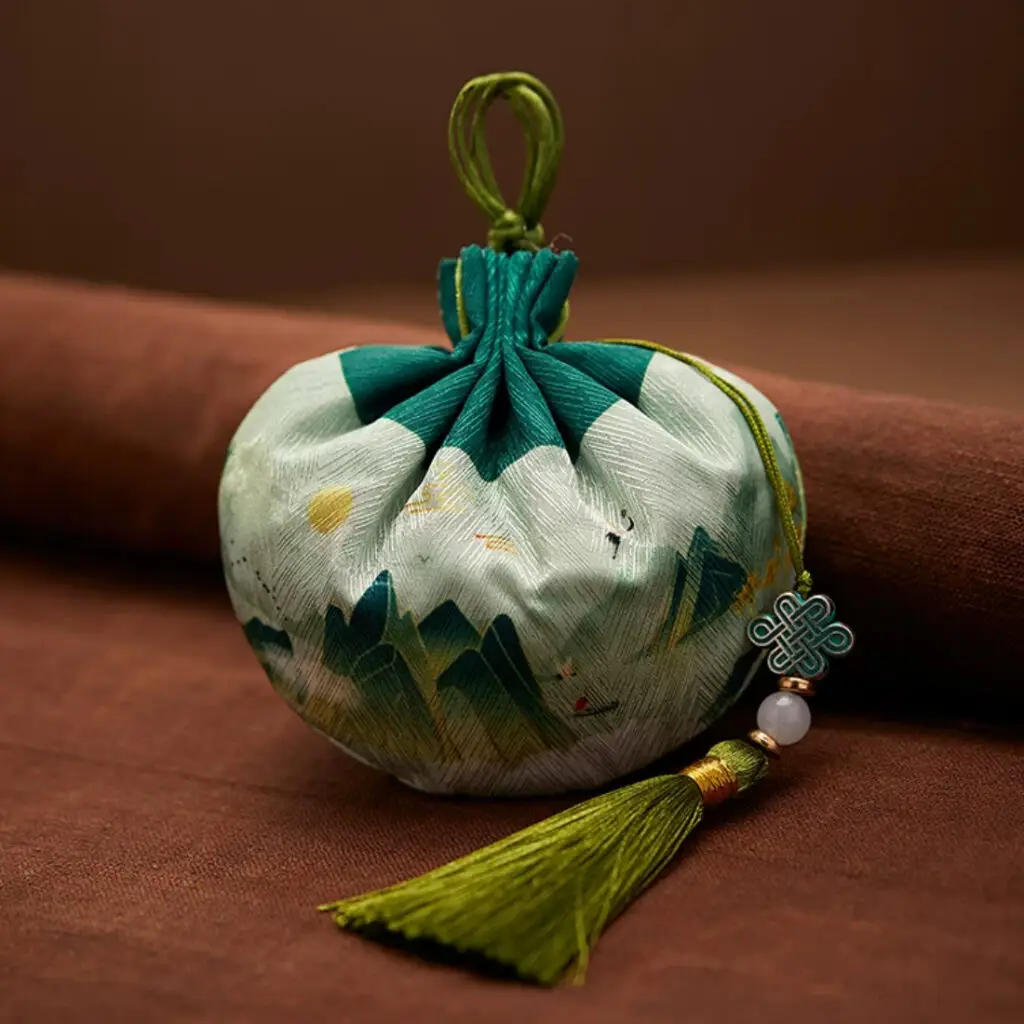
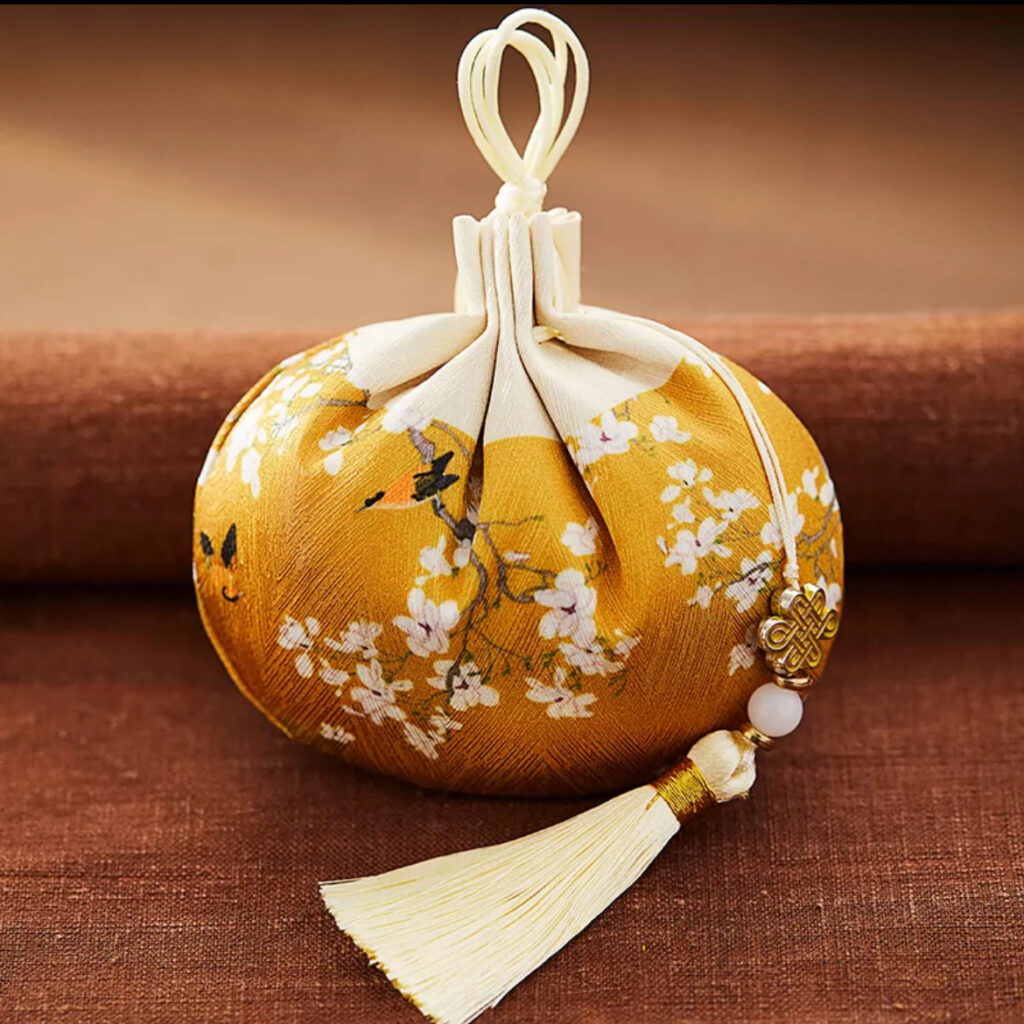
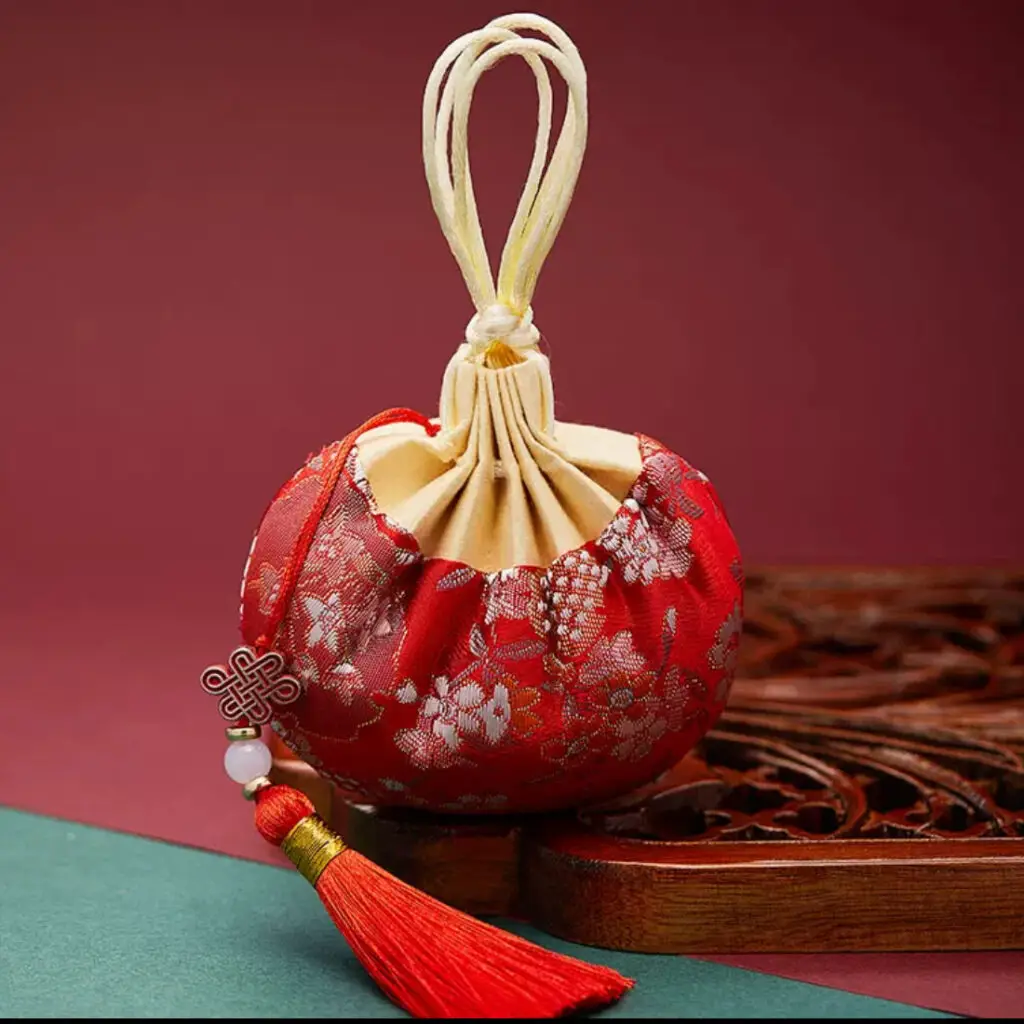
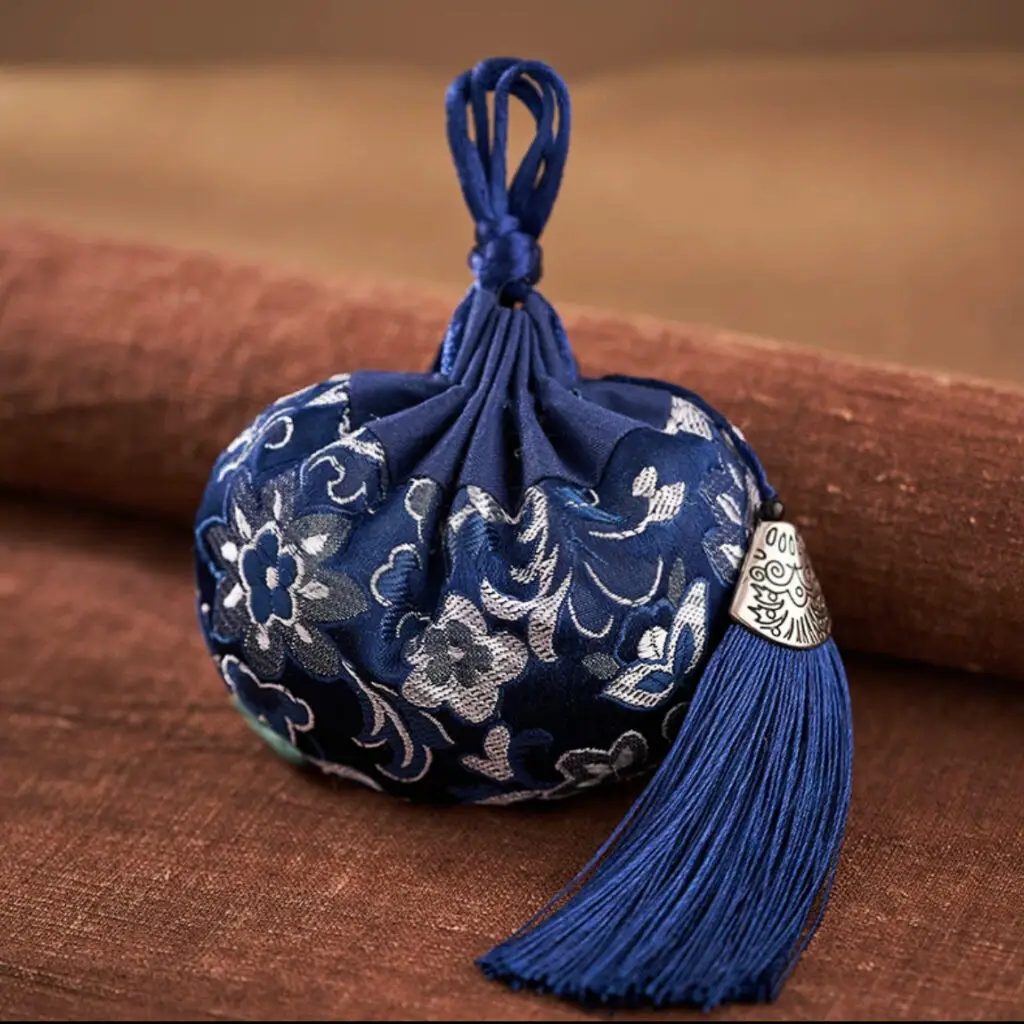
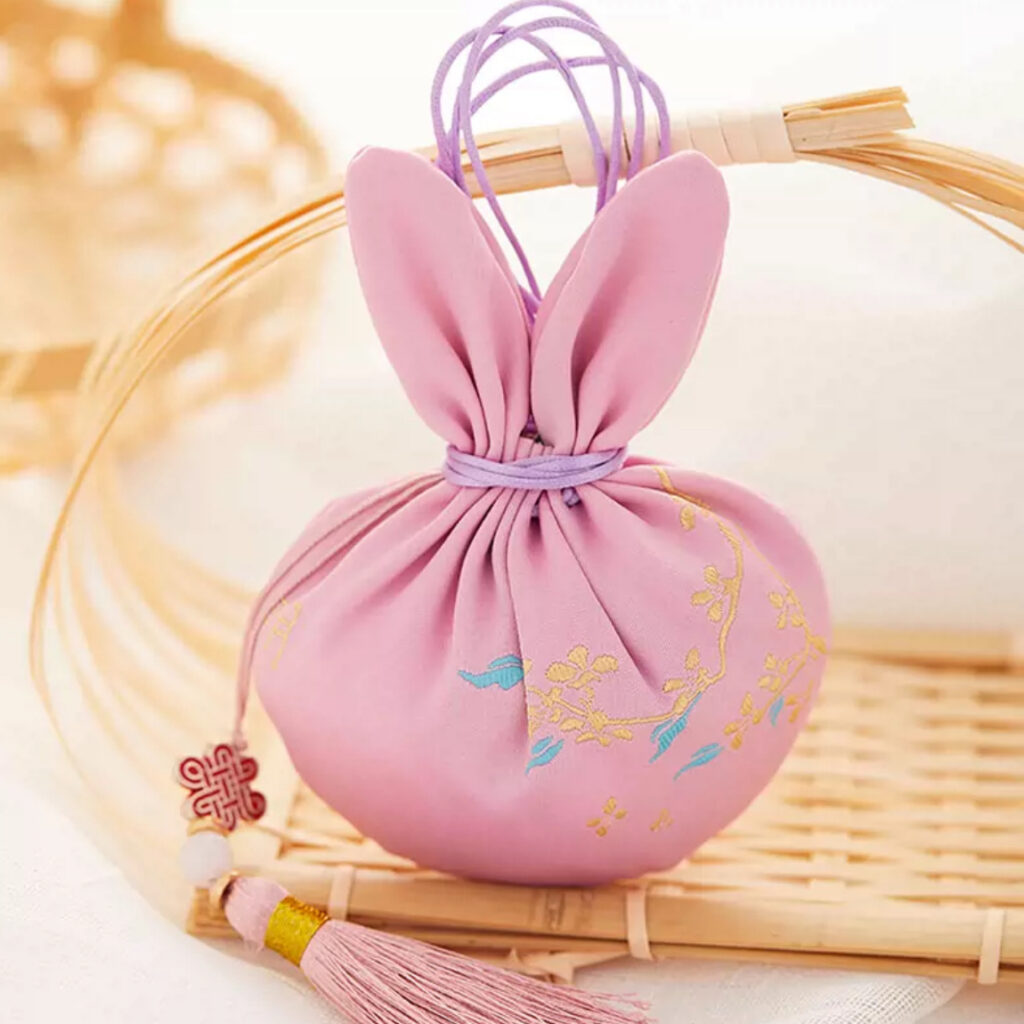
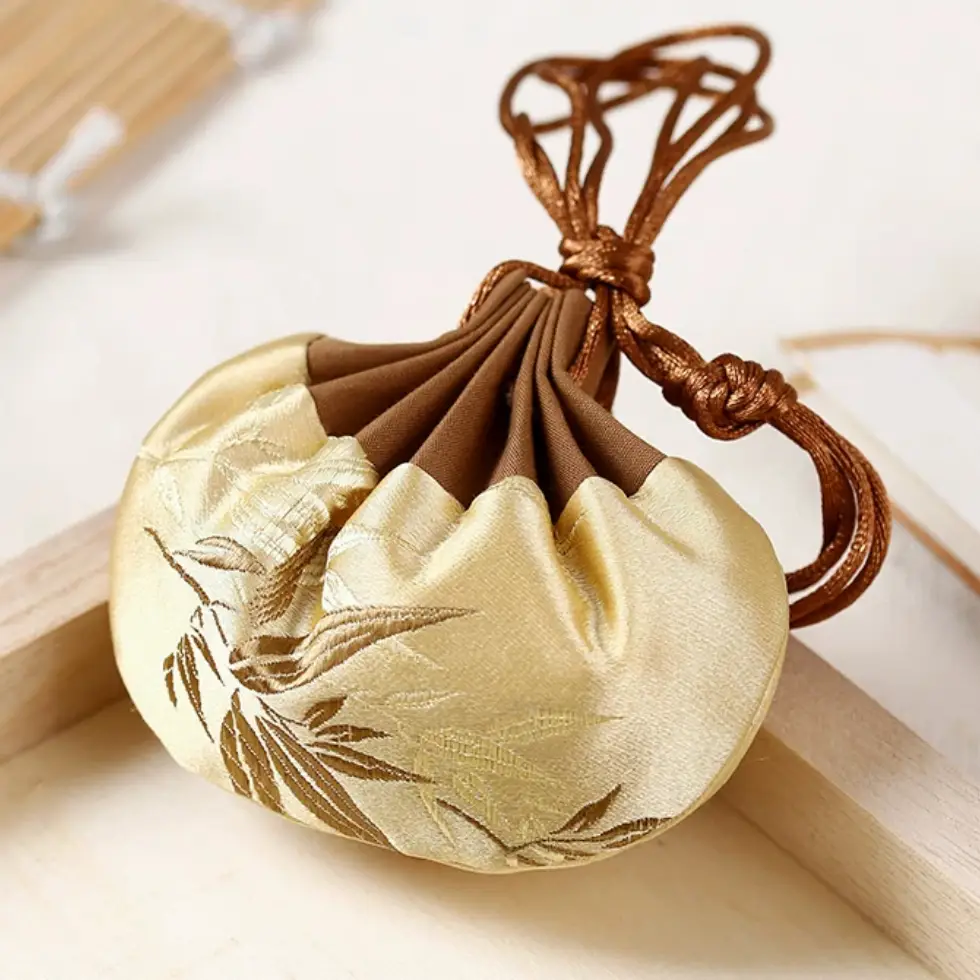
The use of scented sachets in China dates back over 2,000 years, with their origins traced to the Han Dynasty (206 BC – 220 AD). Initially, these sachets served both practical and symbolic purposes. They were used to ward off insects, improve the smell of clothing and surroundings, and as amulets for protection against evil spirits and diseases.
During the Tang (618AD -907AD) and Song (960AD –1279AD) dynasties, the practice of wearing scented sachets became increasingly popular, especially among the nobility and upper classes. These periods saw a flourishing of arts and culture, and scented sachets were often exquisitely crafted and embroidered, reflecting the aesthetic preferences of the time.
In the Ming (1368AD –1644AD) and Qing (1644AD –1912AD) dynasties, the craft of making scented sachets continued to evolve. The designs became more elaborate, and the use of different materials, such as silk, brocade, and precious metals, became common. Scented sachets were often given as gifts during festivals and special occasions, symbolizing good luck, health, and happiness.
Today, Chinese scented sachets are still popular, especially during traditional festivals like the Dragon Boat Festival. They are valued for their cultural heritage, artistic craftsmanship, and pleasant fragrances. The tradition of making and using scented sachets has been preserved and continues to be passed down through generations.
Craft of Chinese Scented Sachets
Materials
The making of a scented sachet involves several key materials:
1. Fabric: Traditionally, silk or cotton fabric is used for the outer covering of the sachet. The fabric can be plain or intricately embroidered.
2. Fragrant Herbs: The sachets are filled with a mixture of dried fragrant herbs and flowers. Common ingredients include mugwort, wormwood, cloves, patchouli, and sandalwood.
3. Threads and Embellishments: Embroidery threads, often made of silk, are used to decorate the sachets. Additional embellishments can include beads, tassels, and metallic threads.
Crafting Process
1. Designing and Cutting: The process begins with designing the shape and size of the sachet. Traditional shapes include pouches, animals, flowers, and geometric patterns. The fabric is then cut according to the design.
2. Embroidery: The outer fabric of the sachet is often embroidered with intricate patterns. Common motifs include flowers, birds, and traditional Chinese symbols like dragons and phoenixes. Embroidery techniques vary, ranging from simple stitches to complex patterns.
3. Filling: The dried fragrant herbs and flowers are carefully selected and blended. The blend is placed inside a small cloth bag or directly into the sachet. The choice of herbs can vary depending on the intended use, whether for fragrance, medicinal properties, or as a talisman.
4. Sewing and Assembly: The sachet is then sewn together, enclosing the fragrant filling. The opening is stitched closed, and any additional embellishments, such as tassels or beads, are attached.
5. Finishing Touches: The finished sachet is often decorated with additional details like ribbons, knots, or small charms. These embellishments add to the visual appeal and cultural significance of the sachet.
Cultural Significance
Chinese scented sachets hold deep cultural significance and are often associated with traditional festivals and customs. They are commonly used during the Dragon Boat Festival, where people wear them to ward off evil spirits and bring good luck. Scented sachets are also given as gifts, symbolizing best wishes for health, prosperity, and happiness.
Symbolisms
The designs and shapes of scented sachets often carry symbolic meanings. For example:
– Lotus Flowers: Represent purity and enlightenment.
– Butterflies: Symbolize love and marital happiness.
– Dragons and Phoenixes: Signify power, strength, and good fortune.
Conclusion
Chinese scented sachets are a beautiful blend of practicality and artistry. With a history spanning over two millennia, they reflect the rich cultural heritage and traditional craftsmanship of China. The intricate designs, fragrant herbs, and symbolic meanings make them cherished items, whether worn for their scent, used as decorative pieces, or given as thoughtful gifts. Through continued appreciation and practice, the tradition of making and using scented sachets remains a vibrant part of Chinese culture.