Chinese materials & meanings
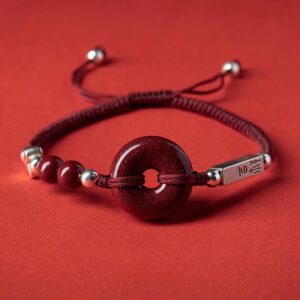
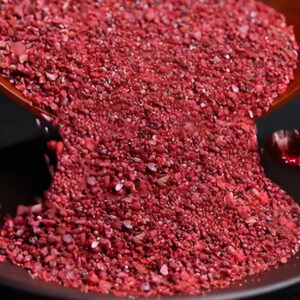
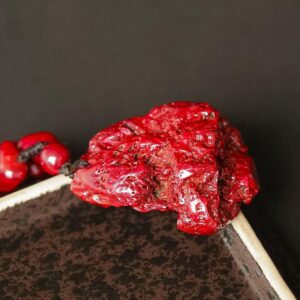
A closer look at cinnabar’s distinctive red colour, material history and place in Chinese decorative culture.
Explore the story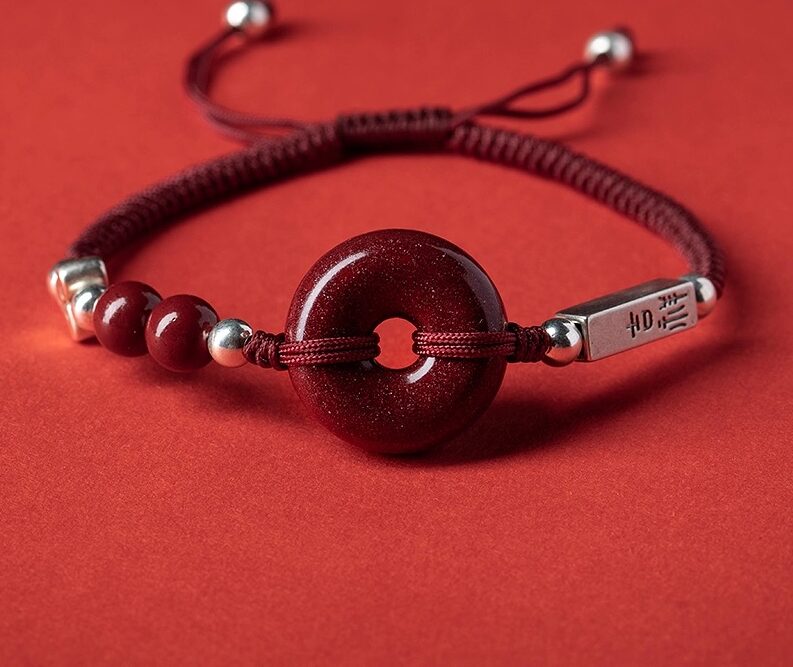
The story
Living with the craft
Continue exploring
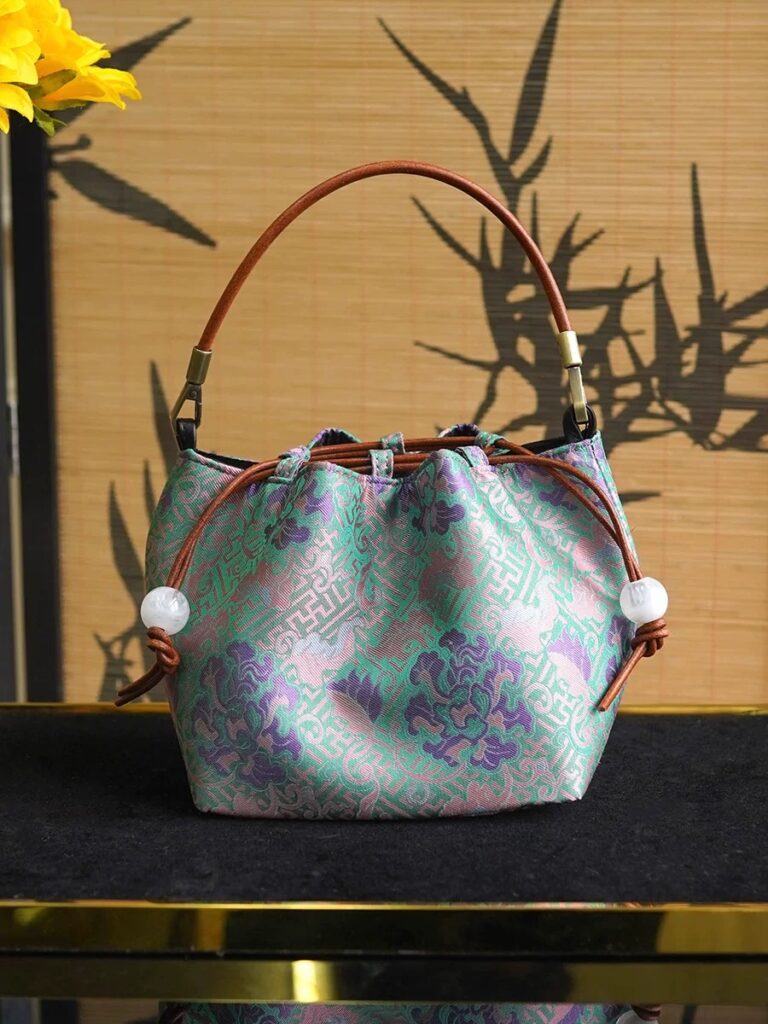
Chinese textile tradition
A refined woven textile whose pattern, colour and structure bring centuries of craft into contemporary pieces.
Read the story-1024x1024.jpg)
Chinese embroidery tradition
Fine silk threads and controlled stitching create expressive images with remarkable detail and softness.
Read the story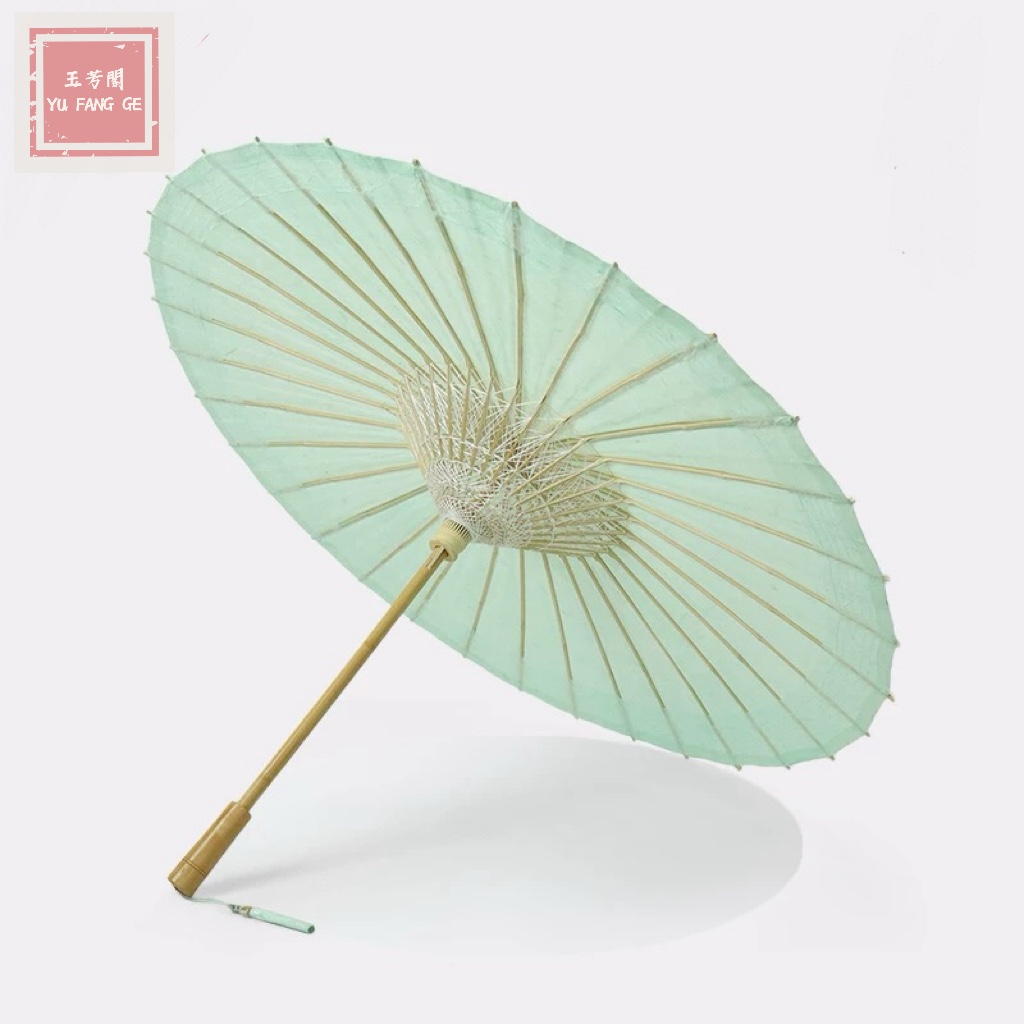
Chinese craft object
Bamboo, paper and oil come together in an object shaped by hand, everyday use and cultural memory.
Read the story