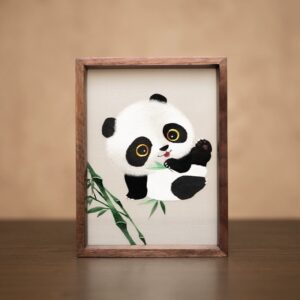
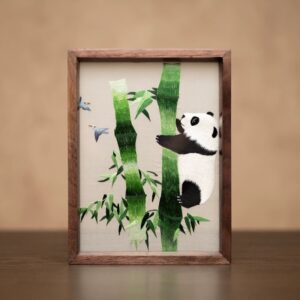
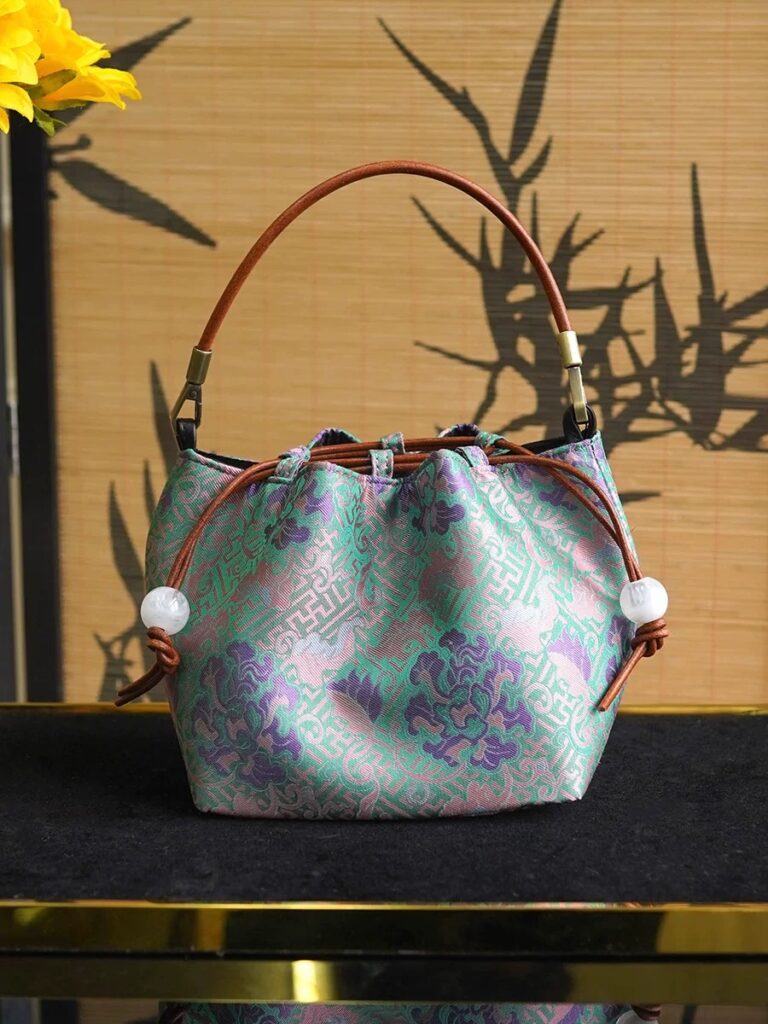
-1024x1024.jpg)
History of Suzhou embroidery
Ancient Origins
Suzhou embroidery, also known as “苏绣” (Sū xiù), is one of China’s oldest and most celebrated embroidery styles. Its origins can be traced back over 2,000 years, with early examples dating to the Han Dynasty (206 BC – 220 AD). Archaeological finds have revealed embroidered silk pieces from this period, showcasing the intricate craftsmanship that was already present in ancient China.
Tang and Song Dynasties
During the Tang Dynasty (618 AD – 907 AD), Suzhou embroidery began to flourish. This era marked a period of great cultural and artistic achievement in China. The silk trade prospered, and Suzhou, with its favorable climate and fertile land, became a major center for silk production. The high-quality silk produced in Suzhou provided the perfect material for embroidery.
In the Song Dynasty (960 AD – 1279 AD), Suzhou embroidery gained further prominence. The craft was highly valued by the imperial court, and embroidered items became symbols of status and wealth. The Song Dynasty also saw the establishment of formal embroidery workshops, where artisans specialized in creating intricate designs for garments, accessories, and home décor.
Ming and Qing Dynasties
The Ming Dynasty (1368 AD – 1644 AD) and the Qing Dynasty (1644 AD – 1912 AD) represented the golden age of Suzhou embroidery. During these periods, the art form reached new heights of technical and artistic excellence. Suzhou became renowned for its “Four Great Embroideries (including Suzhou embroidery alongside embroidery styles from Hunan, Sichuan, and Guangdong)” .
The Ming Dynasty saw the development of more refined techniques and the introduction of new styles and motifs. Suzhou embroidery workshops flourished, and the craft became highly commercialized. Artisans created a wide range of products, from clothing and accessories to elaborate wall hangings and screens.
In the Qing Dynasty, Suzhou embroidery continued to evolve. The period was marked by the rise of double-sided embroidery, a technique that requires exceptional skill and precision. Double-sided embroidery features identical designs on both sides of the fabric, achieved without visible knots or loose threads. This technique became a hallmark of Suzhou embroidery, showcasing the artisans’ mastery.
Modern Era
In the 20th century, Suzhou embroidery faced challenges due to industrialization and social upheavals. However, efforts were made to preserve and revitalize the craft. Today, Suzhou embroidery is recognized as a significant part of China’s cultural heritage. It has been included in the list of China’s Intangible Cultural Heritage, ensuring its protection and promotion.
Craft of Suzhou Embroidery
1. Designing the Pattern: The creation of Suzhou embroidery begins with the design phase. Artists and designers create detailed sketches, often inspired by nature, traditional Chinese paintings, or famous artworks. Common motifs include flowers, birds, landscapes, and scenes from Chinese mythology. The design is then transferred onto a piece of silk fabric using fine charcoal or ink.
2. Material Selection: The selection of materials is crucial to the quality of Suzhou embroidery. High-quality silk threads and fabric are essential. The silk fabric, typically a fine silk satin, serves as the canvas for the embroidery. The silk threads come in a wide range of colors and are known for their sheen and durability. Artisans often split the threads into finer strands to achieve delicate details and smooth color transitions.
3. Embroidery Techniques: Suzhou embroidery is renowned for its refined techniques and meticulous craftsmanship. Some of the key techniques include:
①Flat Stitching (平针绣)**: This technique involves creating smooth, flat areas of color. It is often used for backgrounds and large sections of the design.
②Split Stitching (劈丝绣)**: Artisans split the silk threads into even finer strands to achieve detailed work. This technique is used for intricate patterns and fine details.
③Random Stitching (乱针绣)**: Stitches are applied in different directions to create texture and depth. This technique is often used for depicting fur, feathers, and other textured surfaces.
④Double-sided Embroidery (双面绣)**: This advanced technique features identical designs on both sides of the fabric. It requires exceptional skill and precision, as the stitches must be perfectly aligned without any visible knots or loose threads.
⑤Needle Painting (针画绣)**: This technique involves using embroidery to create lifelike images that resemble paintings. Artisans use fine stitches and subtle color gradations to achieve a realistic effect.
4. Color Gradation: One of the hallmarks of Suzhou embroidery is its use of color gradation to create lifelike images. Embroiderers blend colors seamlessly, achieving a painting-like effect with their stitches. This technique, known as “游针绣” (yóu zhēn xiù), involves carefully layering stitches in different shades to create smooth transitions and a sense of depth.
5. Finishing Touches: After the embroidery is complete, the piece is carefully examined for any loose threads or imperfections. The finished piece is then washed and stretched to remove any wrinkles and ensure a smooth surface. Finally, the embroidery is mounted or framed for display. Mounting can involve attaching the embroidery to a silk backing and framing it under glass, preserving the delicate stitches and enhancing its presentation.
Cultural Significance
Suzhou embroidery is not just a craft but an integral part of Chinese culture and history. It reflects the artistry and craftsmanship of Chinese artisans and embodies the cultural heritage of Suzhou. The intricate designs and exquisite techniques make each piece a work of art, treasured by collectors and art enthusiasts worldwide.
Preservation and Promotion
Efforts to preserve and promote Suzhou embroidery include government support, educational programs, and exhibitions. Artisans continue to innovate while maintaining traditional techniques, ensuring that this ancient craft remains vibrant and relevant in the modern world. Suzhou embroidery schools and workshops train new generations of artisans, passing on the skills and knowledge needed to continue this tradition.
Global Recognition
Suzhou embroidery has gained international recognition for its beauty and craftsmanship. It has been featured in museums and exhibitions around the world, showcasing the artistry of Chinese embroidery to a global audience. Collectors and art enthusiasts prize Suzhou embroidery for its intricate designs and technical excellence.
Suzhou embroidery is a testament to the rich cultural heritage and artistic traditions of China. Its history spans over two millennia, and its craftsmanship has been refined through generations of skilled artisans. Today, Suzhou embroidery continues to captivate with its delicate beauty and intricate details, representing the pinnacle of Chinese embroidery art. Through preservation efforts and continued innovation, this ancient craft will remain a cherished part of China’s cultural legacy for generations to come.